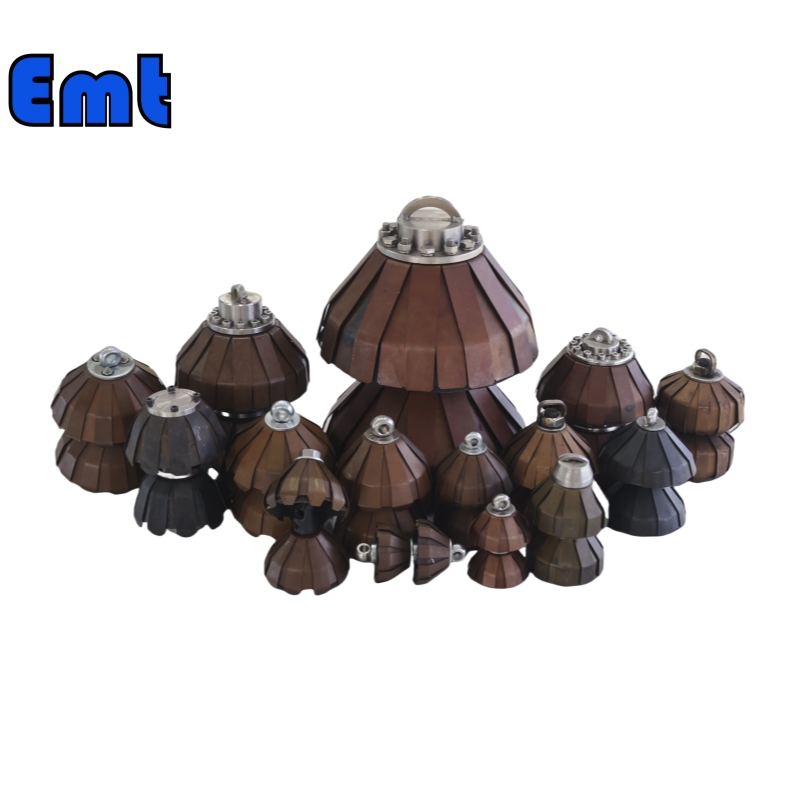
Processus de travail du jet de cavitation EMT
Le racleur EMT à jet de cavitation fonctionne à une vitesse de 0,4 à 1,2 m/s, avec une différence de pression allant de 0,6 à 1,2 MPa. Au fur et à mesure qu’il se déplace dans le pipeline, il transporte simultanément le liquide tout en déchargeant 25 à 40 % du fluide transporté. L’efficacité du nettoyage du système dépend en grande partie de plusieurs facteurs, notamment la consommation d’eau, la dureté des dépôts, la différence de pression, la pente de la canalisation et la distance jusqu’à la sortie de refoulement.
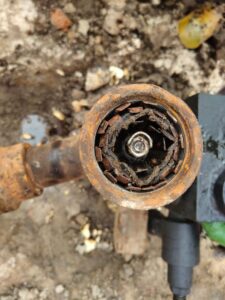
Le processus de nettoyage commence lorsque le racleur de cavitation est inséré dans la canalisation et progressivement propulsé vers l’avant par la pression et le débit de l’eau. Au fur et à mesure qu’il avance, les pales du porc commencent à vibrer intensément, générant des oscillations à haute fréquence et induisant en même temps un flux d’eau en rotation rapide autour de lui. Par conséquent, ce mouvement crée une zone de basse pression continue, où l’eau reste à l’état vaporisé. À l’intérieur de cette zone, d’innombrables bulles de vapeur microscopiques se forment rapidement et sont ensuite comprimées par l’eau à haute pression, ce qui les fait s’effondrer violemment. En conséquence, cette implosion génère une force immense de 800 à 1000 MPa, qui déloge et décompose efficacement la saleté et les dépôts. En fin de compte, cela garantit un nettoyage en profondeur de la canalisation d’évacuation des cendres.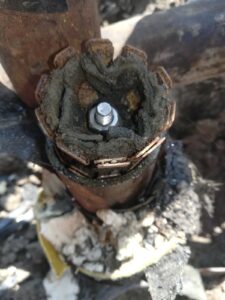
Nettoyage mécanique (raclage) vs nettoyage par cavitation
Nettoyage mécanique : Comprend l’utilisation de jauges d’inspection des pipelines (racleurs) pour gratter physiquement les dépôts. Bien qu’efficace pour certains types d’accumulation, il peut avoir du mal à faire face à des blocages complexes et nécessite un entretien fréquent.
Nettoyage par cavitation : Utilise des bulles de cavitation à haute énergie pour déloger les contaminants, atteignant des zones que les méthodes mécaniques peuvent manquer. Il offre un processus de nettoyage plus approfondi et uniforme.
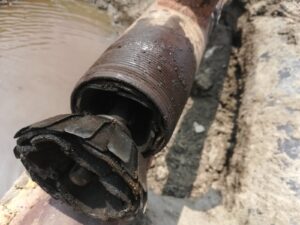
Avantages des porcs racleurs
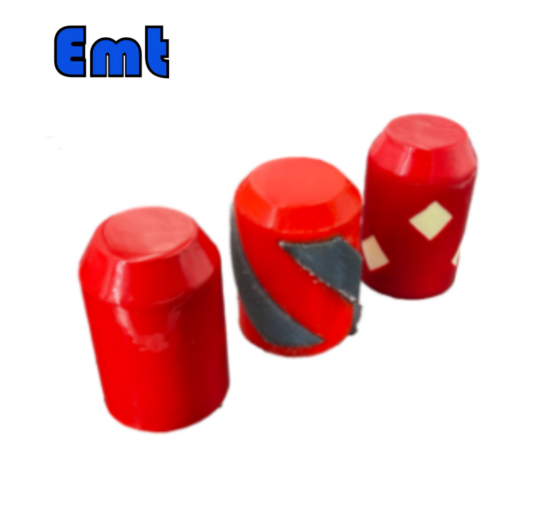
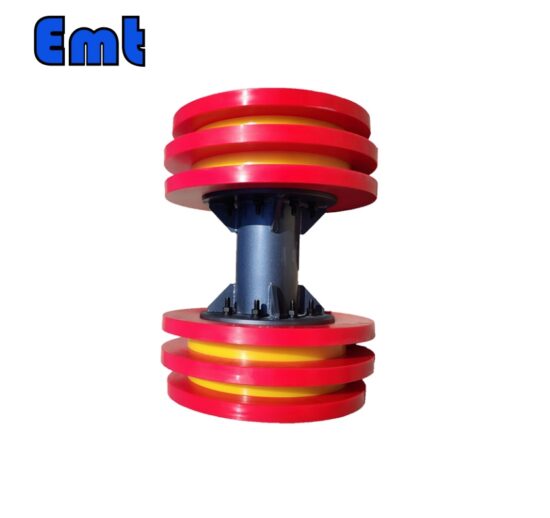
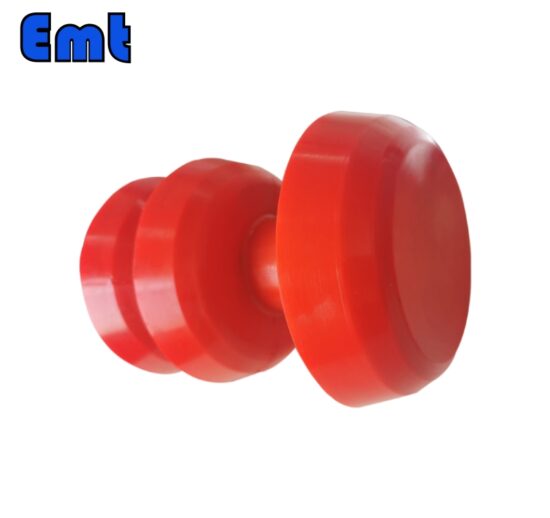
Il n’y a pas encore d’avis.