Understanding Pig Signal Indicator
What is a Pig Signal Indicator?
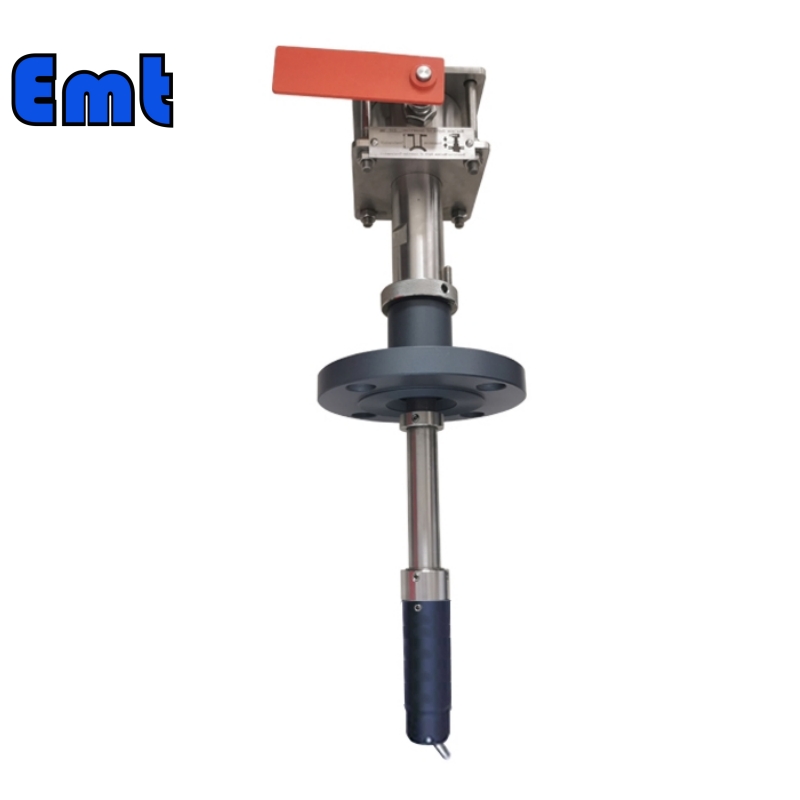
Pig signal indicators are essential tools in pipeline management, helping operators detect the passage of a pig through a pipeline segment. They function by signaling the presence of a pig, which assists in confirming its location and movement within the system. This capability is crucial for maintenance and inspection operations, ensuring that all processes run smoothly and efficiently.
Mechanical Systems
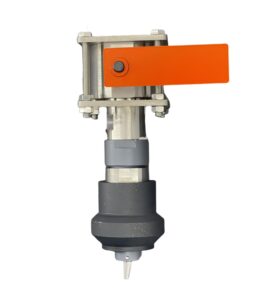
Mechanical pig signal indicators operate through physical contact with the pig as it passes a specific point in the pipeline. These systems typically involve a mechanical trigger that the pig activates. This trigger could be a flag, a wheel, or an arm that moves from one position to another. Such movement is often visible externally, allowing for easy monitoring without interrupting pipeline operations. Mechanical systems are favored for their simplicity and reliability, offering a direct and straightforward indication without the need for power sources or complex electronics.
Electronic Systems
In contrast, electronic pig signal indicators use sensors to detect the pig’s passage. These sensors can include magnetic, ultrasonic, or RFID technologies to identify when the pig crosses a particular section of the pipeline. Electronic systems provide a more detailed analysis than mechanical ones, as they can record the time of the pig’s passage and integrate this data into digital pipeline management systems. This integration allows for real-time monitoring and enhances the ability to predict and plan maintenance schedules more accurately.
Parameters
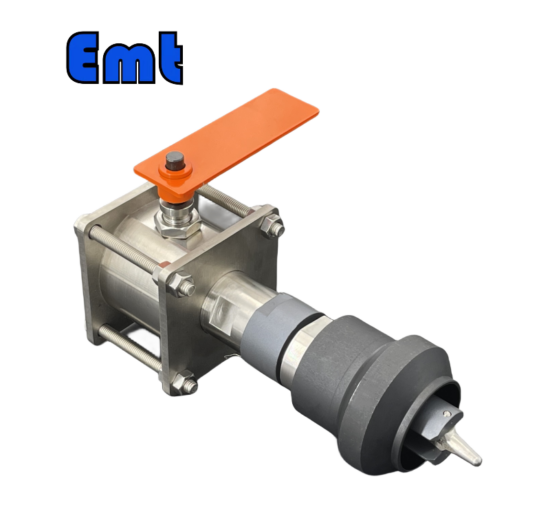
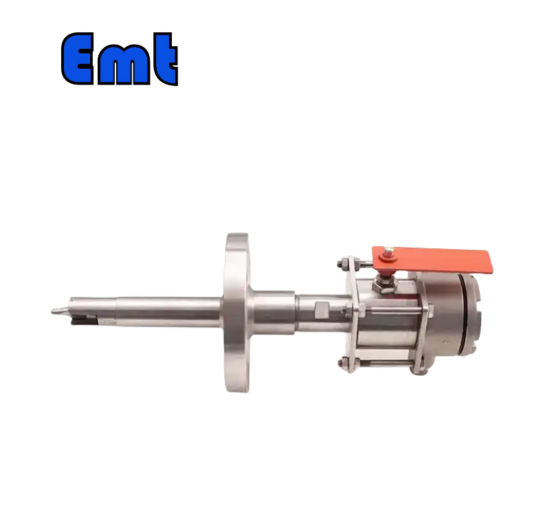
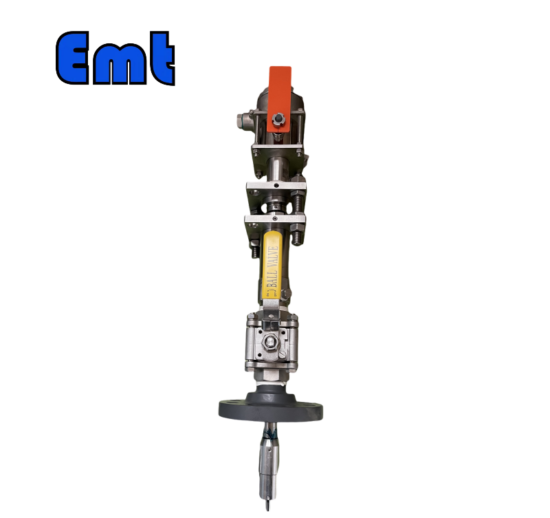
| Name | Pig Indicator |
| Connection | Flange Connection |
| Plug body length | 200mm |
| Operating temperature | —20~120℃/Meet customer requirements |
| NACE MR 01- 75 | Yes |
| Ingress protection | IP65/IP66 |
| Explosion-proof class | ExdⅡ BT4 |
| Remove under pressure | No |
| Trigger type | Bi-directional/Uni-directional |
| Adjustable length | 0 |
| Internal part material | 316SS/DSS/INCONEL |
| Insert depth | 21mm(Bi)/13mm(Uni) |
| Flange/Body material | PTFE coated A105N/304SS/316SS/DSS/INCONEL(As per MR) |
| Name | Non-intrusive Pig Indicator |
| Operating Temperature | —39.8℃/80℃ |
| Operating Humidity | 41%~83% |
| Sensor Type | Magnetic Induction |
| Signal Switch Type | SPDT |
| Passing time | ±2s |
| Cleaning Pig Speed Range | 0.2-10 m/s |
| Switch Capacity | 2A |
| Reset Type | Auto Rese |
| Cable Joint Type | M20*1.5、 1/2NPT F |
| Explosion-Proof | Exd IICT6 Gb |
| IP Grade | IP65 |
Indicator Types
| Indicator Types | ||||
| Indicator Types | A | B | C | D |
| Intrusive Type | Intrusive | Intrusive | Intrusive | Non-intrusive |
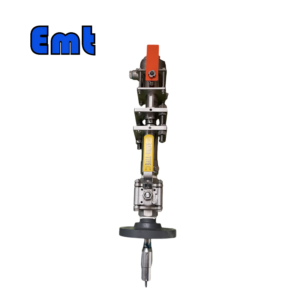
| Indicator Features | Popper Type | Manual reset flag | Manual reset flag combined with electrical signals | Date and time display combined with electrical signals |
Types of Pig Signal Indicators
Pig signal indicators come in two primary types: non-intrusive and intrusive.
Non-intrusive
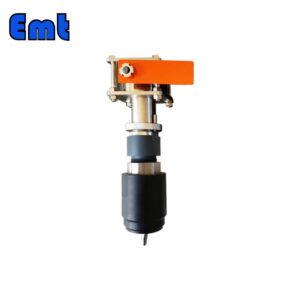
Non-intrusive indicators do not make direct contact with the pipeline’s internal flow. Instead, they use external sensors to detect changes in pressure, magnetic fields, or acoustics as the pig passes. This type is particularly useful for pipelines carrying sensitive or corrosive materials where introducing foreign objects could be problematic. Non-intrusive indicators minimize the risk of contamination and are easier to install and maintain since they do not require pipeline penetration.
Intrusive
Intrusive indicators, on the other hand, involve some form of penetration into the pipeline to detect the pig directly. This might include a small arm or probe that extends into the pipeline and is physically moved or triggered by the pig. While this method is very reliable, it requires careful sealing to prevent leaks and may not be suitable for all types of pipelines, especially those under high pressure or those transporting hazardous materials.
Benefits of Using Pig Signal Indicators
Pig signal indicators play a pivotal role in enhancing pipeline safety. These devices alert operators immediately when a pig passes a certain point, ensuring the pig’s presence and movement are always known. This real-time tracking prevents accidents caused by unexpected blockages and confirms the integrity of in-pipe operations. As a result, they significantly reduce the risk of costly spills or ruptures, protecting both the environment and the pipeline infrastructure.
Moreover, pig signal indicators boost the efficiency of pipeline operations. By providing exact locations of the pigs, these tools optimize cleaning, inspection, and maintenance schedules. Operators can better plan their activities, ensuring minimal disruption to the flow of contents. This seamless integration into the pipeline’s operation helps maintain a steady flow rate, maximizes throughput, and ensures that all sections of the pipeline are accessible and maintainable.
Additionally, pig signal indicators help reduce maintenance costs. Early detection of potential issues allows for prompt corrective measures, often averting extensive repairs or replacements. This proactive approach minimizes downtime and extends the lifespan of pipeline components. With reduced need for frequent large-scale maintenance, operators can allocate resources more efficiently, leading to significant cost savings over time.
There are no reviews yet.